Empowering Newcomers: LINC Program Highlights from Fiscal 2024–25

Lakshmi Rajan • October 15, 2025

Language Instruction for Newcomers to Canada
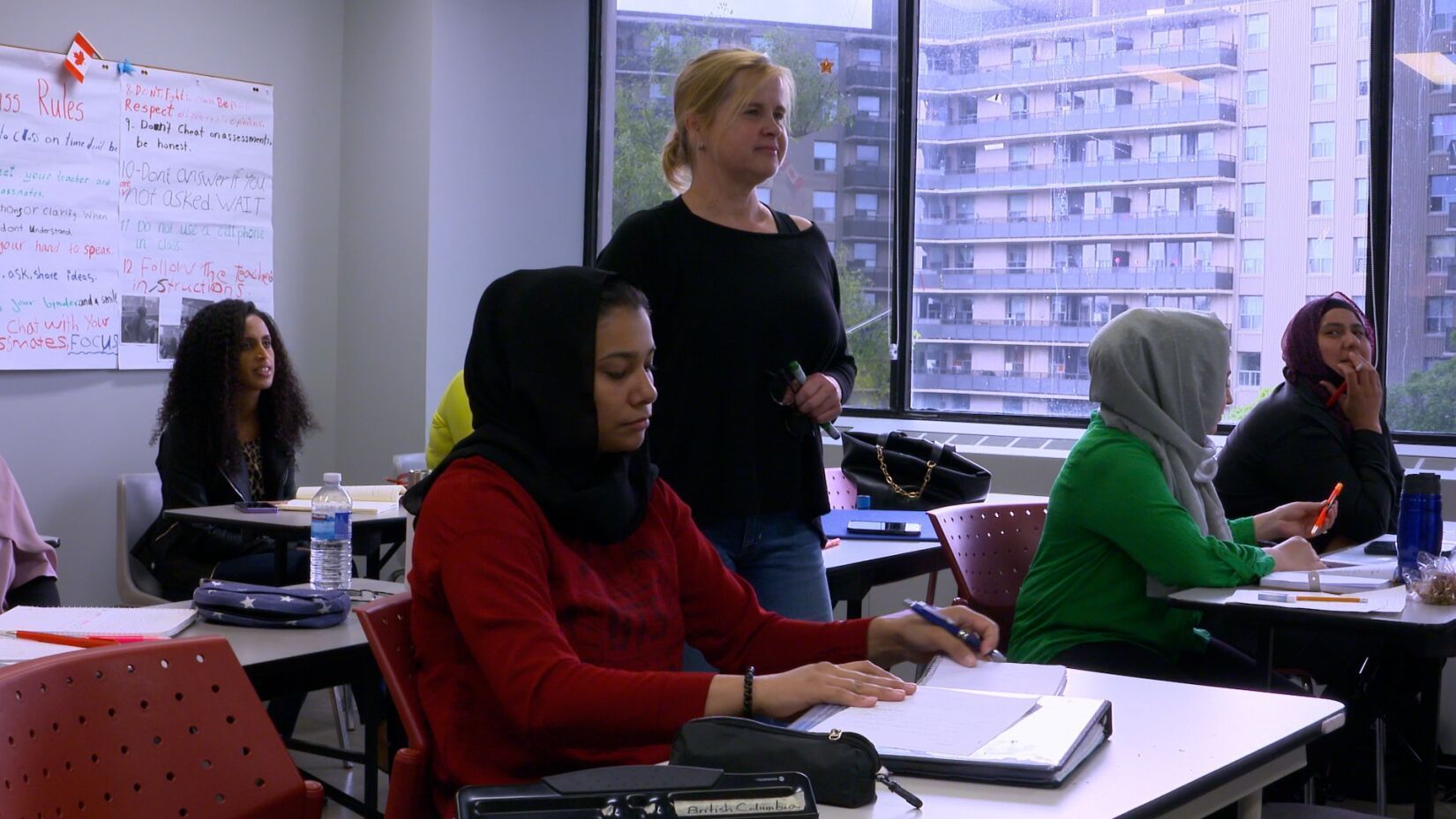
As we wrap up another impactful year, we’re proud to share the achievements and growth of our Language Instruction for Newcomers to Canada (LINC) program for fiscal 2024–25. Our mission is to support newcomers in building strong foundations for life in Canada—and this year, our classrooms were full of stories of resilience, learning, and transformation. 

We welcomed over 1100 newcomer learners, offering instruction across a wide range of levels—from literacy to advanced English. Whether in-person or online, learners engaged in lessons tailored to real-life needs, including workplace English, community engagement, digital literacy, and citizenship preparation. 


One learner captured the spirit of the program beautifully: 


“Thank you to this school and my teachers 
For giving me more than just English
 
You gave me strength.
 
You gave me wings.”


This reflection reminds us that LINC is more than language instruction—it’s about empowerment, confidence, and growth. 


To meet the needs of learners with little or no prior schooling, we expanded our in-person literacy classes. These safe, supportive spaces help build foundational skills and confidence. 

Our Care for Newcomer Children (CNC) program continues to remove barriers by offering childcare during class hours. This enables newcomer parents to pursue their language goals without the added stress of childcare responsibilities. 


Thanks to support from Immigration, Refugees and Citizenship Canada (IRCC), we enhanced our HyFlex learning model with tools like Meeting Owl devices and other interactive technologies. Learners can now choose the format that works best for them—whether in-class or remote—without compromising the quality of instruction. 


We also invested in teacher development, with ongoing training in HyFlex delivery, Portfolio-Based Language Assessment (PBLA), and digital tools. These efforts ensure our educators are equipped to deliver engaging, effective lessons in any format. 


Beyond language instruction, we collaborate with local organizations to offer wrap-around support. This includes information sessions, referrals to employment and settlement services, and awareness-building initiatives that help learners navigate their new environment with confidence. 

In response to IRCC’s new funding cycle and reduced budgets, we’ve embraced innovation—maximizing resources, strengthening partnerships, and finding creative ways to maintain high-quality program delivery. 


Looking ahead to 2025–26, our goal remains clear: to keep LINC classrooms welcoming, diverse, and impactful. We’re committed to supporting newcomers in their journey toward full participation in Canadian society. 

May 11, 2026
How to Renew your PR Card in Canada Author: Lidiane P. WWCC Settlement Counsellor If you are a permanent resident in Canada, your PR card is one of the most important documents you have. It allows you to return to Canada after traveling and serves as official proof of your status. When it expires—or is close to expiring—you must renew it through Immigration, Refugees and Citizenship Canada. This guide explains the process in a simple and clear way. ⏰ When should you renew your PR card? You should apply for renewal if: Your PR card is already expired It will expire within the next 9 months It has been lost, stolen, or damaged Your personal information has changed (name, photo, etc.) 💡 Tip: Apply early to avoid travel problems or delays. 🧾 Who can apply? To renew your PR card, you must: Be a permanent resident of Canada Be physically inside Canada when applying Meet the residency obligation (at least 730 days in Canada within the last 5 years) 📂 Documents required When applying through Immigration, Refugees and Citizenship Canada, you will usually need: Completed application form (IMM 5444) Copy of your valid passport or travel document Current or expired PR card Two photos that meet IRCC requirements Application fee (CAD $50) 💻 How to apply (step by step) 1. Complete the application Fill out the PR card renewal form carefully and make sure all information is correct. 2. Gather your documents Prepare clear copies of all required documents before uploading. 3. Pay the fee The application fee is typically $50 CAD. 4. Submit your application Upload everything online and submit through your IRCC account. ⚠️ Important things to remember You must be in Canada when you apply Keep your address updated with IRCC Do not travel unless necessary while your application is being processed If you must travel urgently, you may need a Permanent Resident Travel Document (PRTD) Renewing your PR card is a straightforward process, but it requires attention to detail. Applying early, preparing complete documents, and ensuring your residency requirements are met can help avoid delays. If you are unsure about your situation or need support with your application, you can contact a settlement counsellor at the Working Women Community Centre. 📞 Call to book an appointment: 416-532-2824 📧 Email: settlement@workingwomencc.org
April 22, 2026
Honouring care, presence, and commitment.
By Diana Moran April 21, 2026
Continuing Our Volunteer Appreciation Week Spotlights
By Vanda Henriques April 20, 2026
Celebrating the People Who Show Up
March 30, 2026
IRCC is changing settlement service eligibility in 2026. Learn who is affected, who is not, and how newcomers can still access free settlement support in Canada.
By Diana Moran March 23, 2026
Food security is about more than access to groceries. It is about dignity, health, connection, and the ability for women and families to feel supported in their daily lives. Today, we’re happy to share the launch of the Food Security section of our Client Portal , making it easier for community members to learn about, access, and take part in the food programs and supports available at Working Women Community Centre. Food security means having consistent access to enough safe and nutritious food to support an active, healthy life. With rising costs and ongoing economic pressures, this can be a challenge for many women and families. Our Food Security programming offers practical supports alongside opportunities to learn, share, and connect—meeting people where they are and supporting both immediate and longer‑term needs. What You’ll Find on the Food Security Page The new Food Security pages bring together information about programs and activities in one easy‑to‑navigate space. Whether someone is looking for hands‑on workshops, community‑based activities, or support during a difficult time, the portal helps make options clear and accessible. Activities featured include: Community Kitchen Workshops Welcoming, hands‑on workshops that help build food knowledge and practical cooking skills, while also creating space for conversation, learning, and connection. The Oriole Community Garden A shared community garden that supports access to fresh food and brings people together through collective care, learning, and growing. Food Ambassadors and Seasonal Initiatives Programs that encourage food literacy, confidence, and awareness of food resources, while responding to seasonal needs in the community. Support for Immediate Food Concerns The Food Security program can help individuals and families who are facing urgent food challenges connect with appropriate assistance and supports. All Food Security programs and activities are free of charge , and participants are welcome to attend activities regardless of where they live. Any specific eligibility requirements are clearly outlined on the portal. Designed to Be Clear and Accessible The Client Portal is designed with ease of access in mind. It provides straightforward information about how to register, who to contact, and what to expect when participating in activities. By bringing resources together in one place, the portal helps reduce barriers and supports people in finding what works best for them. We also recognize that food security is closely connected to well‑being, stability, and community. Many of our food‑related activities intentionally create welcoming spaces where women and families can share experiences, learn from one another, and build supportive relationships. Our Commitment We exist to help women and their families begin the next chapter of their lives in Toronto. Over the last 50 years, we have supported over 500,000 women and their families through a full range of services ranging from education, to settlement, language, food security and beyond. By supporting women, we help strengthen their capacity to be active participants and contributors within their communities. Because when women thrive, their communities rise. When communities rise, society flourishes. The launch of the Food Security pages reflects this commitment in action—sharing information openly, supporting choice, and ensuring food‑related supports are visible and accessible when they are needed. Explore the Food Security Portal We invite clients, partners, and community members to explore the Food Security section of our Client Portal , learn more about available programs, and take part in activities that support health, dignity, and connection.  👉 Visit the Food Security page here: https://clientportal.workingwomencc.org/food-security
More Posts